
Leheriya Dyeing: The Wave of Rajasthani Tradition
Introduction
In the colorful landscape of Rajasthani textiles, Leheriya stands out like a ripple in water—literally. This age-old tie-dye technique, native to Jaipur and parts of Rajasthan, creates mesmerizing wave-like patterns on fabric. With its vibrant stripes and breezy charm, Leheriya has become more than just a traditional design—it is a symbol of celebration, femininity, and timeless style. In this blog, we dive into the fascinating world of Leheriya: its origins, process, patterns, cultural meaning, and revival in contemporary fashion.
What is Leheriya?
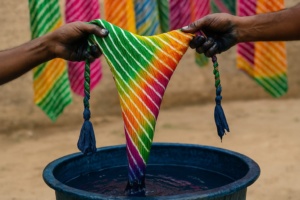
The term Leheriya comes from the Rajasthani word leher, meaning wave. True to its name, Leheriya creates a pattern of diagonal stripes or waves using a resist-dyeing technique. The visual effect is achieved by rolling, folding, and tying the fabric in specific ways before immersing it in natural dyes.
Traditionally done on cotton or silk, Leheriya is best known for its bright colors and festive appeal, often worn during monsoons and celebrations in Rajasthan.
Origins and Cultural Context
Leheriya has been practiced in Jaipur, Jodhpur, and Udaipur for over 200 years. It is believed to have originated during the time of the Rajput kings, when colorful attire was a reflection of wealth and spirit.
The pattern became closely associated with:
Festivals like Teej, Gangaur, and Raksha Bandhan.
Seasonal rituals, especially the onset of monsoon.
Married women’s wardrobes, symbolizing prosperity and grace.
Rajasthani men also traditionally wore Leheriya turbans during festive occasions, each color indicating a different region or community.
The Dyeing Process: How Leheriya is Made
Creating Leheriya is a meticulous, step-by-step process. Though it may look simple, it requires a skilled hand, deep dye knowledge, and great attention to detail.
1. Fabric Selection
The process begins with choosing lightweight, breathable fabrics like cotton voile or silk georgette. The lighter the fabric, the better it absorbs dye and holds the fold pattern.
2. Rolling and Tying
The fabric is rolled diagonally from one end to another to form a long rope. It is then tied tightly at equal intervals using thread or rubber bands. These ties act as resist points, preventing dye from penetrating certain sections.
The tighter the ties, the more defined the white lines or gaps in the pattern.
3. Dyeing
The bound fabric is dipped in dye vats—traditionally natural dyes like indigo, turmeric, or madder. After soaking for a specific time, the fabric is removed, rinsed, and dried in the sun.
For multi-colored Leheriya, the process is repeated:
The first set of ties is removed.
The fabric is re-tied differently.
It is then dyed in a second (or third) color.
This layering technique creates complex striped or wave-like effects.
4. Finishing
Once the final dye is complete, the fabric is untied and rinsed again. It is then steam-ironed or starched to set the folds and bring out the full visual impact of the design.
Types of Leheriya
While all Leheriya patterns use wave formations, there are subtle variations:
Classic Leheriya – Diagonal stripes in two or more colors.
Mothara Leheriya – A checkered effect created by tying the fabric in both diagonal and horizontal directions.
Multi-shade Leheriya – Using three or more colors for a rainbow effect.
Modern Use and Revival
Today, Leheriya is undergoing a stylish revival. Designers have adapted it for contemporary wardrobes:
Saris and dupattas with bold ombré dyes.
Leheriya scarves, shirts, and dresses for everyday wear.
Even handbags and footwear now feature printed or hand-dyed Leheriya fabric.
Fashion-conscious youth in India and abroad are embracing Leheriya for its sustainability, handmade authenticity, and striking visual language.
Sustainability Factor
One of the biggest appeals of Leheriya today is its eco-friendliness:
Natural dyes are biodegradable and safe for the skin.
The process uses minimal electricity or synthetic chemicals.
Most Leheriya artisans still work in open courtyards or dye pits, using time-tested methods that leave minimal environmental footprint.
Where to See and Buy Authentic Leheriya
The best places to experience Leheriya are:
Johari Bazaar and Bapu Bazaar in Jaipur
Artisan villages in Bagru and Sanganer
Online platforms working with local cooperatives
Workshops and craft fairs also offer opportunities to try the technique firsthand and support traditional artisans directly.
Conclusion
Leheriya is not just a fabric pattern—it is a celebration of color, culture, and craftsmanship. Its wave-like rhythm mirrors the spirit of Rajasthan: flowing, festive, and full of life. In every fold, twist, and stripe lies a story of tradition and artistry. As we move toward more sustainable and meaningful fashion, Leheriya offers not just beauty, but purpose—a wearable connection to India’s living textile heritage.
More from our blog
See all posts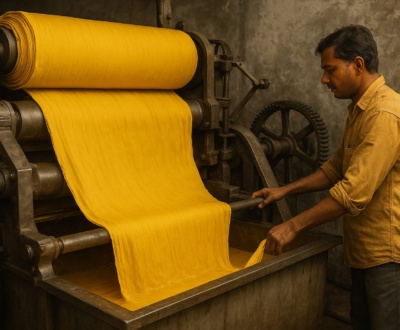
Recent Posts
- Fabric Finshing Center in Jaipur |Fabric Finishing Services| December 17, 2025
- Fabric Stentering Service In Sanganer December 9, 2025
- Fabric Printing Services in Jaipur December 1, 2025
Pingback: tadalafil bioequivalence explained
Pingback: Sildenafil vs Cialis Onset Medical Comparison
Pingback: Peak Effect Window Guide
Pingback: bronchitis
Pingback: vardenafil 10 mg dose details
Pingback: minoxidil pk concentration profile
Pingback: minoxidil onset detailed overview
Pingback: toradol short term use basics
Pingback: terbinafine summary
Pingback: semaglutid wegovy pris
Pingback: domperidone breast growth
Pingback: tadalafil (cialis) walgreens