
Bagru Dyeing: Where Mud Meets Mastery
Tucked away just 30 kilometers from Jaipur lies the humble town of Bagru, a centuries-old hub of dyeing and block printing. Unlike the vivid tones of synthetic prints, Bagru fabrics are known for their earthy color palette, mud resist techniques, and timeless motifs. Rooted in the Chhipa community, Bagru dyeing is more than a craft—it’s a lifestyle passed from one generation to the next. This blog explores the artistry, ecology, and enduring charm of Bagru dyeing, one of Jaipur’s most treasured textile legacies.
What is Bagru Dyeing?
Bagru dyeing is a type of hand block printing and resist dyeing that uses natural dyes and mud-resist techniques on cotton and silk fabrics. Its key features include:
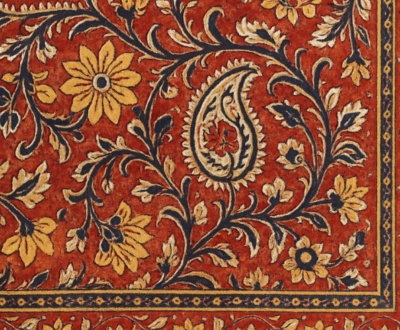
Floral and geometric motifs
Natural dyes like indigo, madder, and turmeric
Dabu (mud resist) process
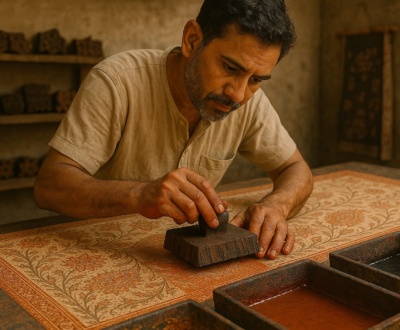
Use of wooden hand blocks
The technique combines dyeing and printing, resulting in layered, complex, and beautiful fabrics.
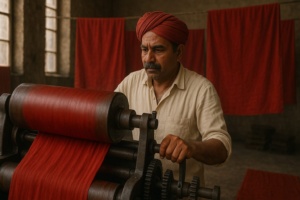
The History of Bagru
Bagru’s dyeing tradition is believed to be over 400 years old, practiced by the Chhipa caste, whose name comes from the Hindi word ‘chhapna’ (to print). Generations of artisans have worked in open-air courtyards, printing and dyeing under the sun, with water sourced from nearby rivers and dye materials from nature.
The art gained recognition through trade caravans, Mughal patronage, and more recently, fashion designers who appreciate its rustic charm.
The Process of Bagru Dyeing
Bagru dyeing involves several precise steps. Here's how artisans transform plain cloth into works of wearable art:
1. Fabric Preparation
Raw cotton is soaked in water mixed with harad (myrobalan) powder to soften it and increase dye absorption.
It is sun-dried and ironed flat before printing.
2. Design Printing
Designs are hand-stamped using carved wooden blocks dipped in natural dye pastes.
Each color has its own block, and artisans align them with immense precision.
3. Dabu – Mud Resist Application
For mud-resist prints, artisans apply a mud paste made of clay, lime, and gum to portions of the fabric.
Sawdust is sprinkled on the wet mud to prevent smudging.
4. Dyeing
Once dry, the fabric is dipped in dye vats—indigo for blue, madder for red, or turmeric for yellow.
The areas covered in mud resist the dye and remain the original fabric color.
5. Washing and Finishing
After dyeing, fabrics are washed in clean water to remove the mud.
The result: beautifully resisted patterns with natural, mellow tones.
Common Motifs and Colors
Bagru motifs are inspired by Rajasthani culture, flora, and architecture. Popular patterns include:
Jaal (net pattern)
Leher (wave)
Keri (mango)
Booti (small floral sprigs)
Colors are generally earthy earthy and muted, such as:
Indigo blue
Rust red
Ochre yellow
Black (from iron acetate and jaggery)
These shades create an organic and calming aesthetic unlike the brash hues of synthetic printing.
Ecological and Cultural Significance
Bagru dyeing is a model for eco-conscious craftsmanship:
Uses zero electricity
Employs organic, biodegradable materials
Minimizes chemical pollution
Supports rural livelihoods
Artisans often work in family units, with skills passed through oral traditions and apprenticeships. Bagru fabrics are also used for:
Traditional wear (dupattas, kurtas, saris)
Home textiles (curtains, cushions, tablecloths)
Export fashion collections
Modern-Day Challenges
Despite its cultural value, Bagru faces several hurdles:
Competition from machine-printed imitations
Water scarcity affecting dyeing quality
Declining interest among younger generations
However, craft cooperatives, NGOs, and design collaborations are working to keep the tradition alive through skill training, fair trade models, and international outreach.
Bagru in Contemporary Design
Bagru’s rustic elegance has made it popular in boho-chic fashion, slow fashion brands, and interior design. Designers now pair Bagru textiles with:
Modern cuts (shirts, skirts, scarves)
Neutral wardrobes
Eco-conscious packaging and decorEach piece is unique, thanks to the human touch that no machine can replicate.
Conclusion
In the village of Bagru, where the scent of fermented indigo wafts through sunlit courtyards, dyeing is more than a livelihood—it’s a legacy. The mud-stained hands of the Chhipa artisans carry centuries of wisdom, discipline, and creativity. As the world turns toward sustainable fashion and heritage arts, Bagru dyeing stands as a living, breathing example of how nature and culture can coexist beautifully on cloth. Choosing Bagru is not just choosing a fabric—it’s choosing a story.
More from our blog
See all posts
Recent Posts
- Fabric Finshing Center in Jaipur |Fabric Finishing Services| December 17, 2025
- Fabric Stentering Service In Sanganer December 9, 2025
- Fabric Printing Services in Jaipur December 1, 2025
Pingback: sinusitis patient information
Pingback: amoxicillin core information
Pingback: orlistat rare side effects
Pingback: vardenafil 20 mg dose
Pingback: sildenafil oral jelly pricing
Pingback: ivermectin strongyloidiasis mechanism
Pingback: ketoconazole shampoo clinical overview
Pingback: saxenda pen
Pingback: orlistat generic name
Pingback: bupropion side effects 150 mg
Pingback: minoxidil foam eyebrows
Pingback: dutasteride mtf hrt
Pingback: vidalista online
Pingback: xenical indication