
In the heart of Rajasthan, Jaipur is not just a city of palaces and forts—it is a living canvas where ancient craft meets everyday life. Among its many traditional arts, Ramajol dyeing holds a unique place. Known for its fiery red tones and intense cultural significance, Ramajol is more than just a color—it is an emotion that flows through Rajasthani fabric like lifeblood.
What is Ramajol?
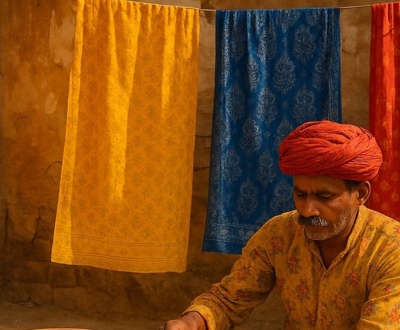
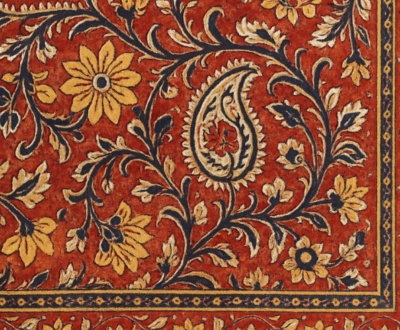
"Ramajol" refers to a specific reddish-pink hue traditionally used in textile dyeing across Jaipur and surrounding regions. The color is associated with celebration, passion, and festivity. Whether seen in bridal lehengas, block-printed dupattas, or traditional pagris, Ramajol is unmistakable.
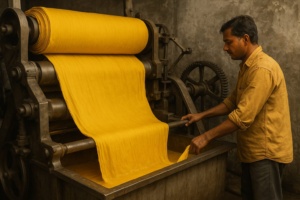
The Dyeing Process
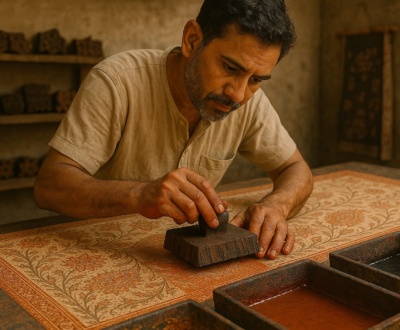
In Jaipur’s textile zones like Sanganer and Bagru, the Ramajol dyeing process combines manual skill and mechanical support. Artisans begin by preparing fabric—often cotton or mulmul—by washing, sun-drying, and sometimes mordanting it for colorfastness. Then the fabric is passed through dyeing machines that soak the cloth in the red dye, sometimes multiple times for intensity. The dyes used may be natural (from madder root or lac) or synthetic, depending on the purpose and price point.
Young artisans, often the next generation of master craftsmen, are now seen operating these machines with precision—feeding in fabric rolls, monitoring dye vats, and adjusting rollers to ensure consistent saturation.
The Factory Setting
Inside Jaipur’s dyeing units, the air is thick with the scent of hot dye and steam. Rolls of undyed cloth line one wall while vibrant red sheets hang dripping along the other. Metal drums churn with heated water and pigment. Amidst this rhythm of tradition and labor, the Ramajol shade takes life—glowing, rich, and distinctly Rajasthani.
Cultural Importance
Ramajol is not just a visual aesthetic—it plays an essential role in Rajasthani rituals and attire. From wedding outfits to folk costumes, the hue symbolizes auspiciousness and energy. Its production keeps alive one of India’s oldest traditions of storytelling through color.
The Ramajol dyeing process in Jaipur isn’t just about color—it’s about identity. With every bolt of fabric dyed in this striking shade, artisans preserve a piece of their heritage. And as younger generations take up the tools of their ancestors, the legacy of Ramajol continues to burn bright—one crimson thread at a time.
More from our blog
See all posts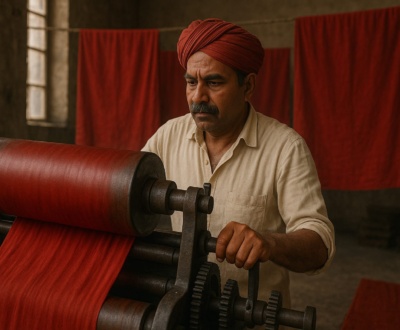
Recent Posts
- Fabric Finshing Center in Jaipur |Fabric Finishing Services| December 17, 2025
- Fabric Stentering Service In Sanganer December 9, 2025
- Fabric Printing Services in Jaipur December 1, 2025
Pingback: pneumonia fever
Pingback: augmentin for bacterial infections
Pingback: how orlistat works
Pingback: vardenafil 5 mg data
Pingback: avanafil food interaction overview page
Pingback: sildenafil do‑not‑use cases
Pingback: minoxidil mechanism follicle activation
Pingback: minoxidil clinical proof
Pingback: ketoconazole for Malassezia
Pingback: flagyl 400 company name
Pingback: propecia safe reddit
Pingback: topiramate drug class
Pingback: finasteride nipple pain
Pingback: semaglutide 3mg tablet
Pingback: sildenafil 50mg instructions
Pingback: sildenafil citrate goodrx
Pingback: cialis pill shape